NAZIM / GEOGRAPHY AND MILITARY STRATEGY
The map does not decide.
But it changes the choice.
A mountain range, a strait or a thousand miles cannot order a war. They do change the cost of moving troops, supplying them, protecting routes and sustaining a decision. Here we ask how—and what else matters.
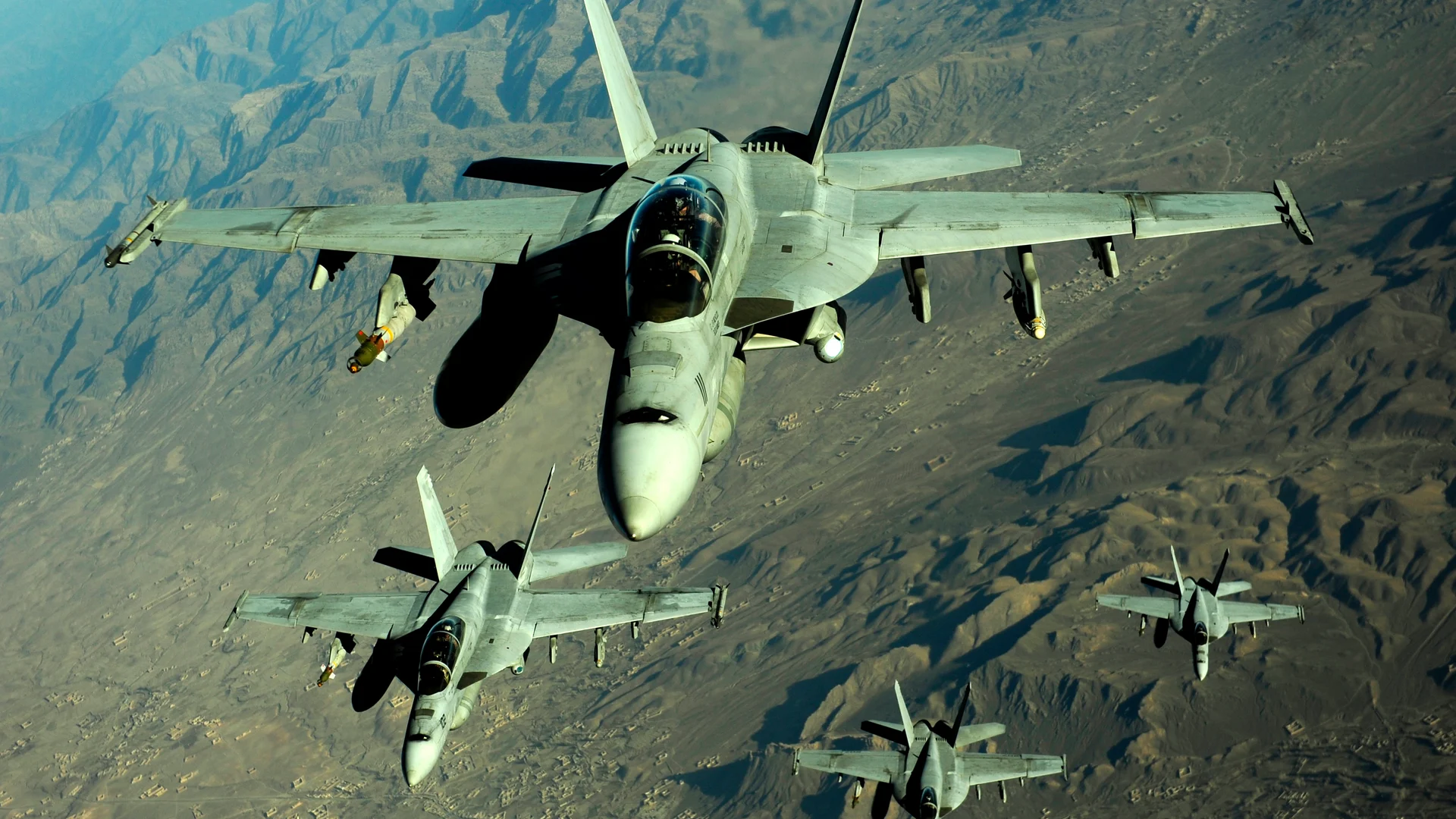
Explore three questionsPhoto: Staff Sgt. Andy M. Kin / U.S. Air Force · public domain ↗
01 / THE LIMIT OF THE MAP
Geography sets conditions,
not destinies.
Forces do not operate on an empty map. Terrain creates access and obstacles; infrastructure connects or isolates; distance consumes time, fuel and capacity. That is why two countries can look at the same space and face different military problems.
But no mountain explains a doctrine, and no port proves an intention. Technology, industry, alliances, economics, institutions, history and human choices also matter. Geography is an essential lens, not an excuse to reduce everything to one cause.
02 / THREE QUESTIONS, NOT THREE VERDICTS
One planet.
Different problems.
These are ways to frame an inquiry, not diagnoses of current policy or single-cause explanations of any conflict.
Russia
How do long overland distances change mobilisation time, route protection and supply?
Terrain alone does not explain political objectives.China
What roles do maritime access, ports and trade routes play in the reach of its forces?
Industry, economics and leadership decisions matter too.United States
What does operating far from home require of bases, allies, transport and maintenance?
The ability to reach a place does not by itself reveal why.03 / A BOOK TO OPEN THE QUESTION
Prisoners of Geography
If you are thinking of a well-known introduction to how geography shapes nations, this is probably the book you have in mind. Marshall approaches world politics through maps and territorial constraints. At Nazim, we treat it as an invitation to ask better questions, not a master key: each case still needs sources, interests, capabilities and decisions.
View the publisher’s edition