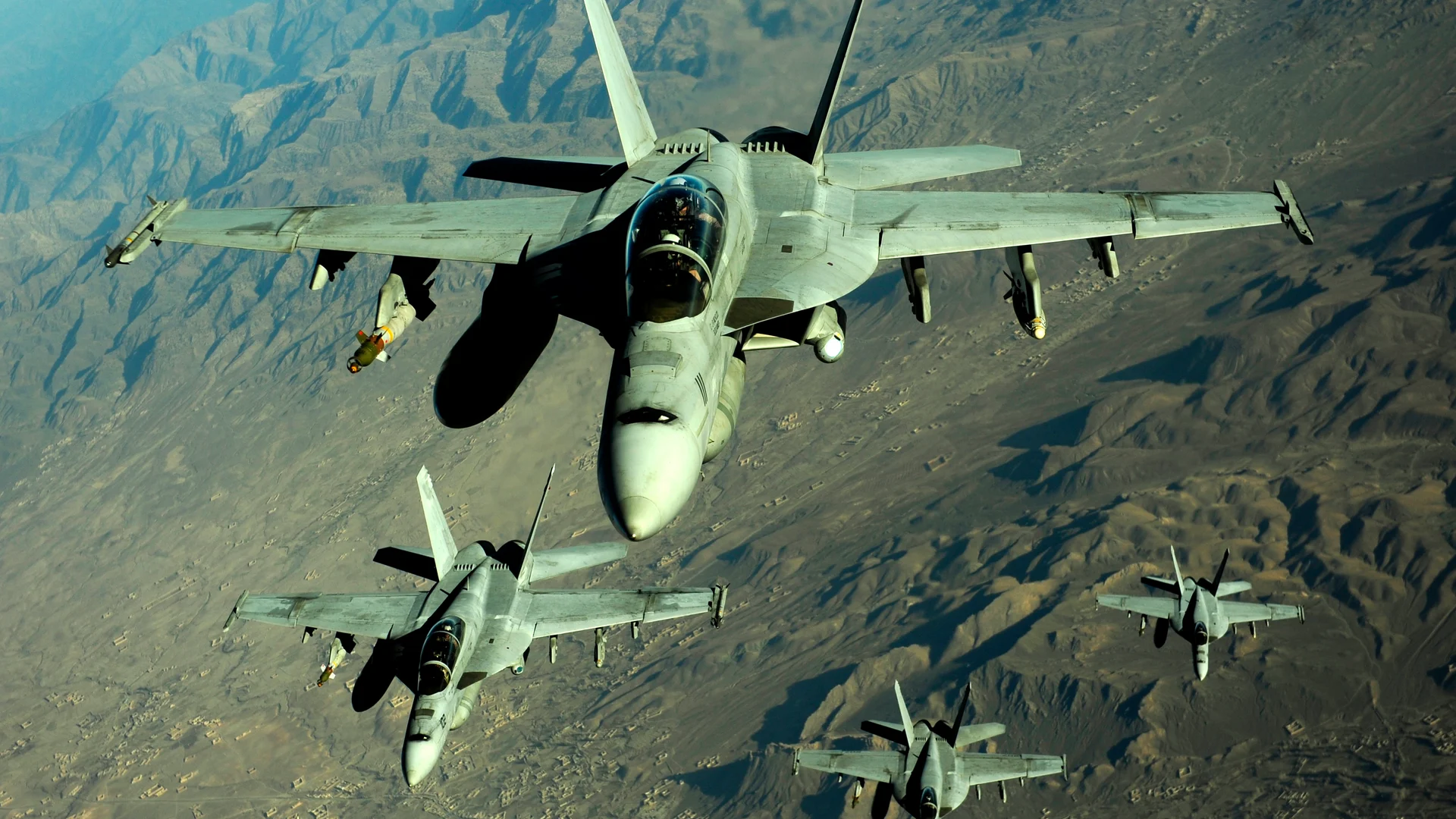
Modern war
What changes when the tool changes?
NAZIM / MILITARY STRATEGY · THE WHY BEHIND THE MOVEMENT
Weapons are the visible part. Behind them lie energy, technology, money and power. We investigate their connections, test competing accounts and ask what remains unknown.
Start with a questionTECHNOLOGY · POWER · PERCEPTION
Two paths connecting the visible front with its less obvious layers. Lines of inquiry, not ready-made answers.
What changes when the tool changes?
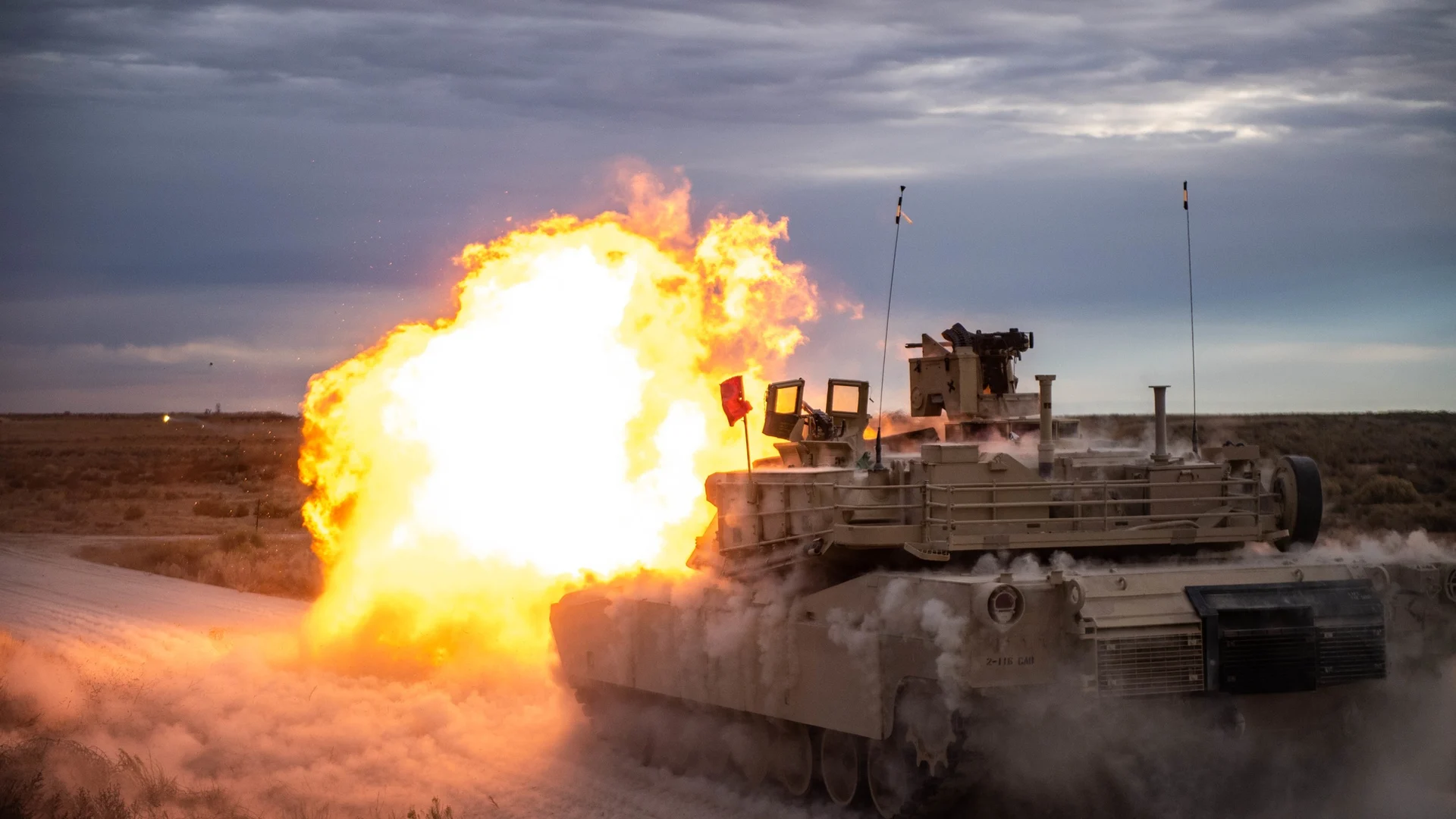
What happens behind what we see?
01 / THE STARTING POINT
These seven conceptual readings examine how terrain, information, command, industry and logistics shape the use of force. They are a demonstration edition.
FUTURE INVESTIGATIONS
These are research questions, not conclusions or published articles. Each case will require sources, context and competing explanations.
What roles do gas, oil and trade routes play in its deployments, alongside other stated objectives?
When has Russia used militias or allied forces, and what advantages and costs has it found?
Why can control close to home matter more than projecting force far away?
How do security, economic pressures and nuclear risk intersect in European decisions?
Can military spending stimulate an economy without solving its underlying problems? Who bears the cost?
Which patterns seem to recur among powers, and where does the analogy fail?
02 / OUR APPROACH
A government states why it moves its forces. We ask what capability it actually deploys, which interests are at stake, what alternatives existed and who bears the costs. Energy, routes, alliances and industry may matter; no explanation is proven just because it sounds convincing.
Nazim does not take a great power’s side. We compare documents, facts and interpretations. A suspicion opens a question; it does not close a case.
How we investigate03 / HOW WE READ A MILITARY MOVE
What reason does each actor give, and in which documents?
Which forces, routes, resources and timelines can we verify?
Which alternative interests might explain it, and what evidence supports them?
What do we not know, what could challenge our reading and who carries the risk?
04 / GEOGRAPHY AND STRATEGY
Mountains, seas, ports and distances shape how each country moves and supplies its forces. They do not determine its aims: industry, alliances and human choices matter too.
Explore military geography05 / FORCE AS A SYSTEM
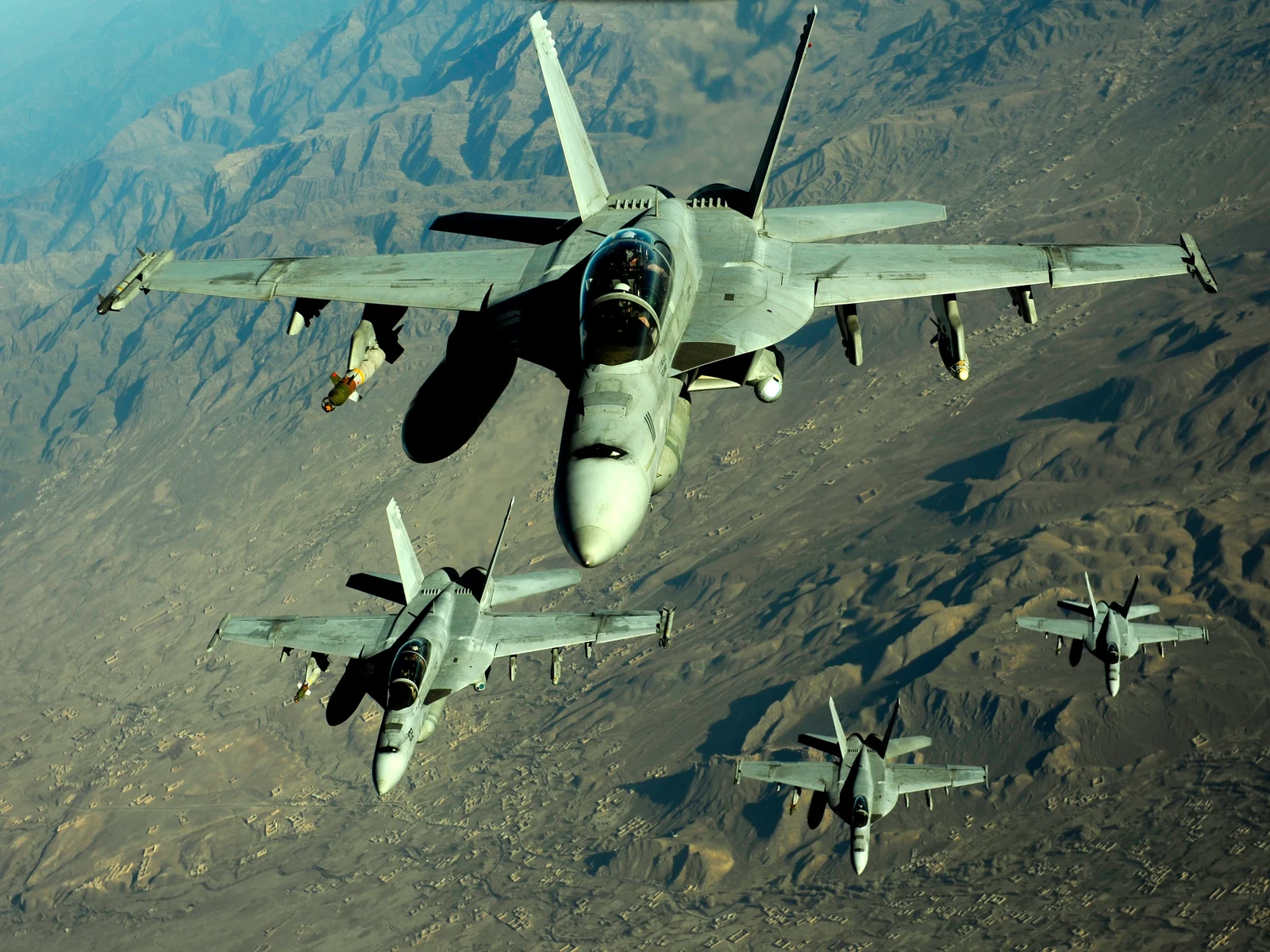
Why Geography Still Matters
Terrain does not decide outcomes alone. It defines which decisions are possible, when, and at what cost.
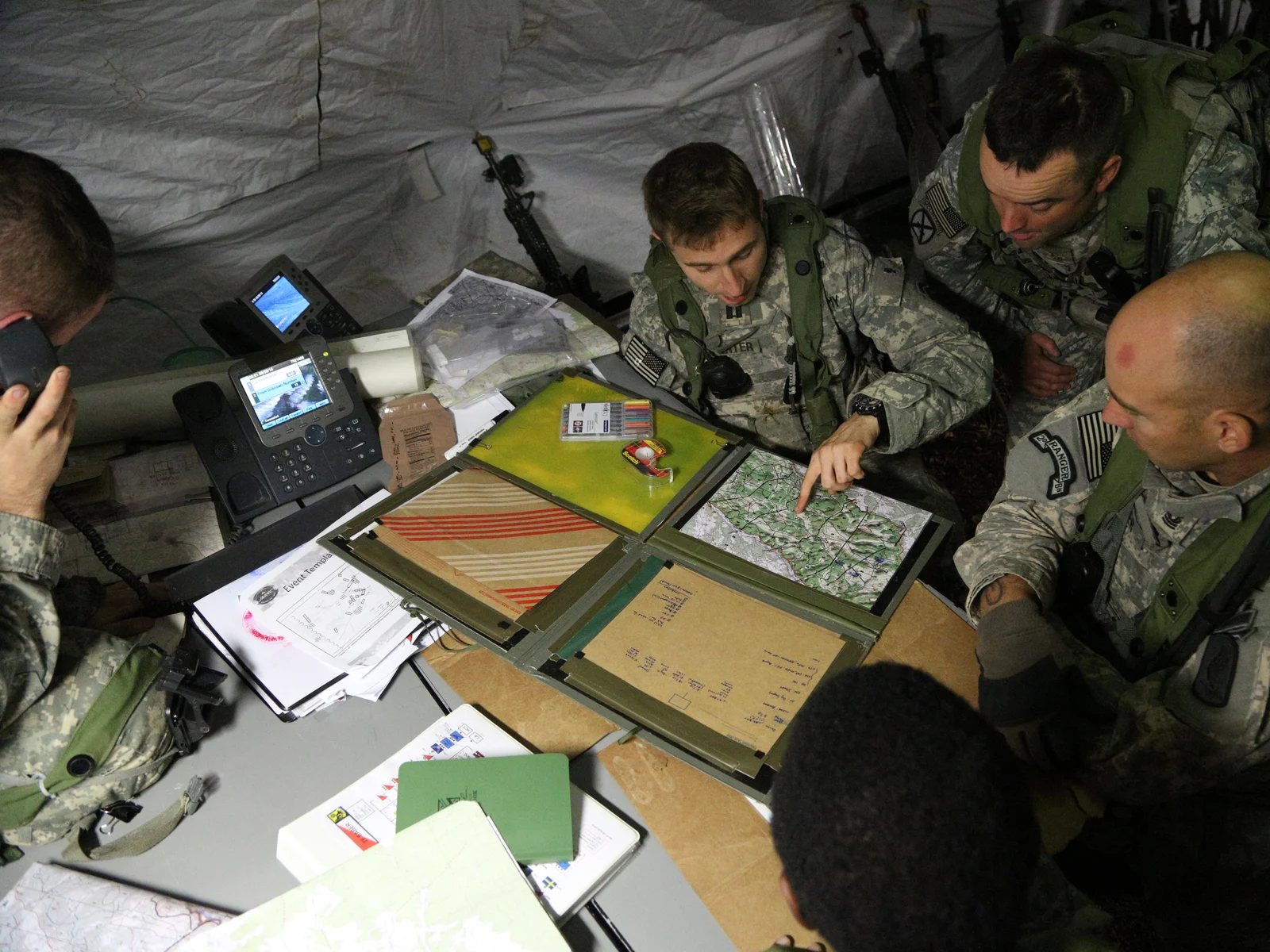
Why Command Is Mostly About Limits
Command is not the elimination of uncertainty. It is the design of action that can survive it.
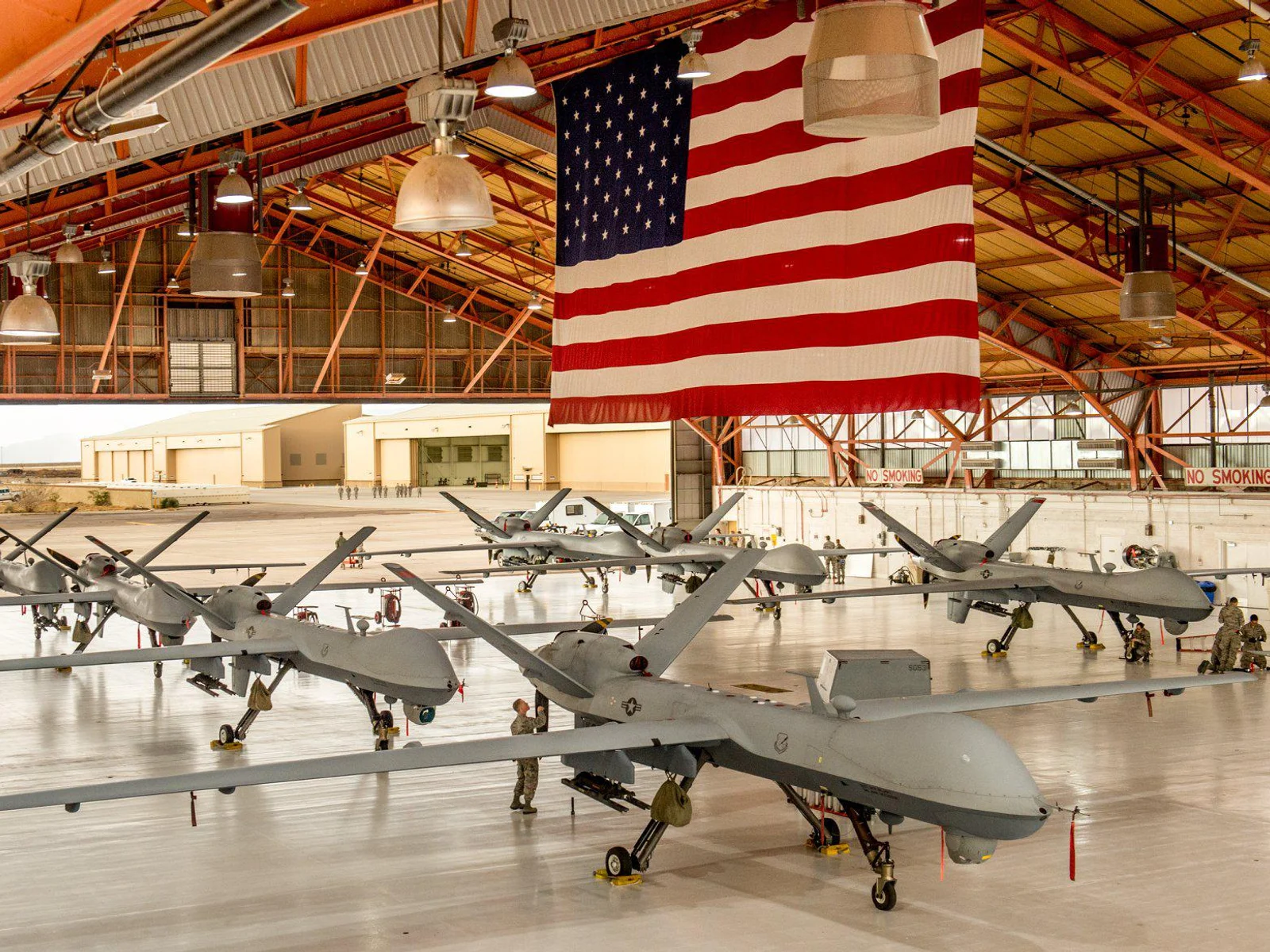
The Industrial Side of Air Power
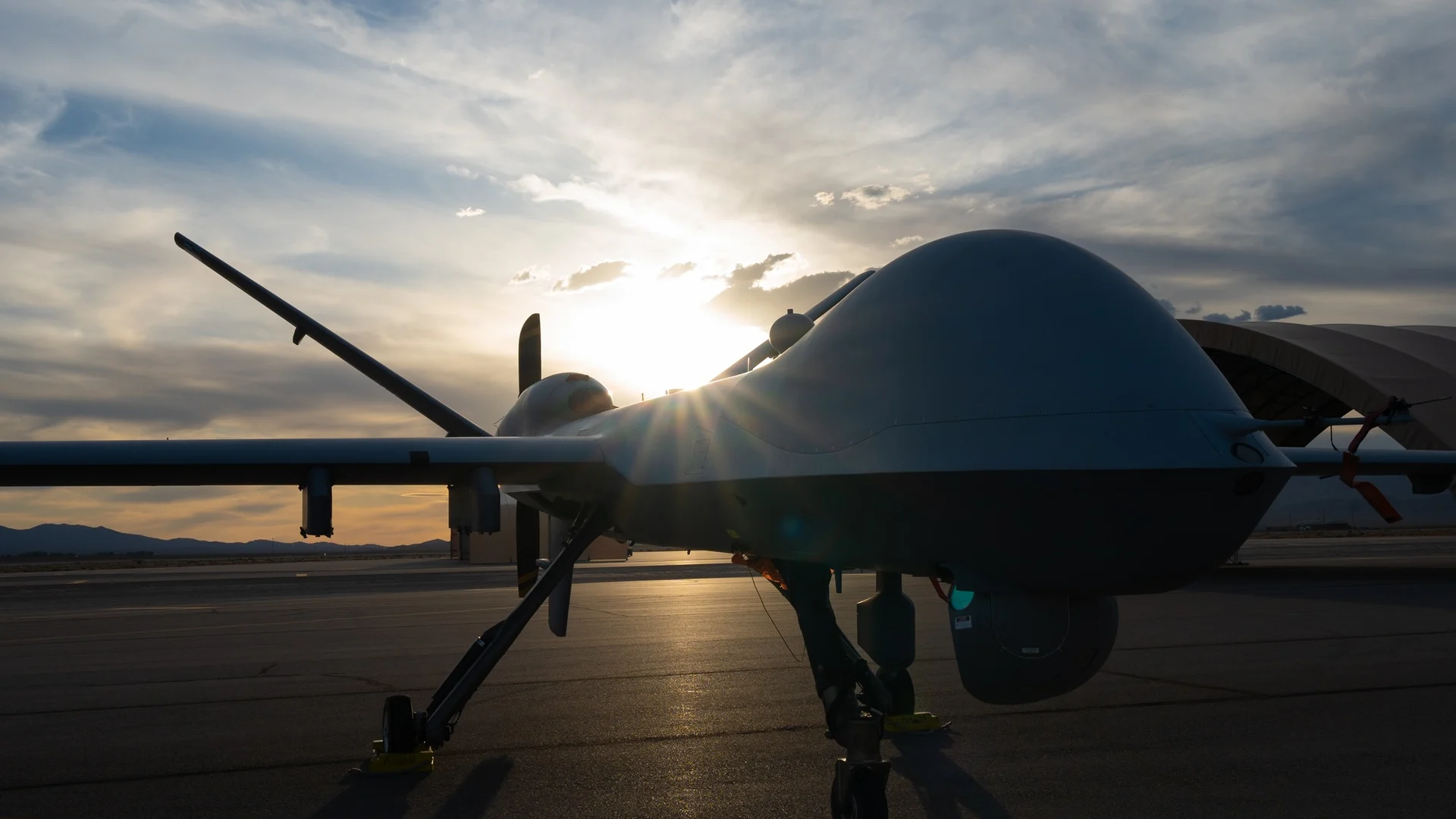
A sortie begins long before take-off, inside a system of maintenance, production, training and supply.
06 / A CONVERSATION OF OUR OWN
Nazim will also become a multi-author journal: contributors will write, readers will comment and debates will continue by topic on our own platform. An outside channel may support it; it will not be the centre.
Explore the communityPlatform in development · No active accounts or comments yetNAZIM / WHY
We invite you to investigate with us.
Begin with this questionDemonstration edition · Conceptual content labelled in every reading.