NAZIM / ECONOMY · POLITICS · PERCEPTION
Behind the noise,
what gets decided?
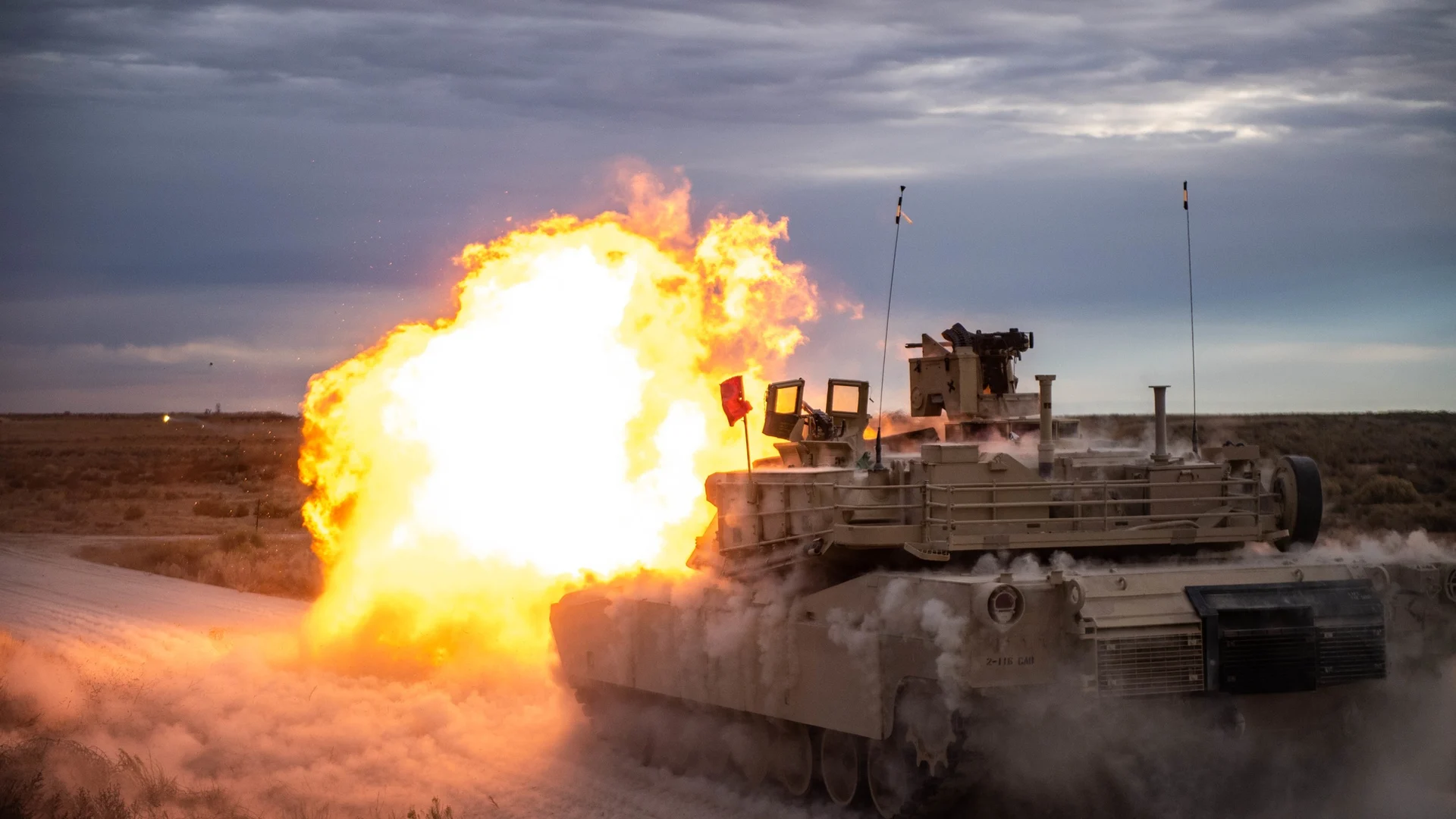
War is not fought with weapons alone. It also mobilises money, industry, energy and public attention. Investigating power means looking at what is said, what is done and what remains unknown.
Follow the questions01 / THE METHOD
“Who benefits?” is not enough.
Someone gaining an advantage does not prove they caused a crisis. To understand a decision, we compare stated interests, capabilities, incentives, costs and alternatives. We reject both naïveté about power and automatic certainty about a conspiracy.
02 / FIVE LINES OF INQUIRY
From headline to mechanism.
Editorial agenda · These are not published investigations or verdicts on a specific case.
Economic warfare
Can a sanction change a strategic calculation without shifting costs onto others?
The war economy
Who benefits when weapons production rises, and who pays?
Political interests
Do public reasons match the priorities revealed by decisions?
Politics as spectacle
How much of a crisis is governed, and how much is performed?
A smokescreen?
Are we seeing a deliberate distraction, or several events occurring together?
03 / ENERGY AND DEPENDENCE
A route, a price, a decision.
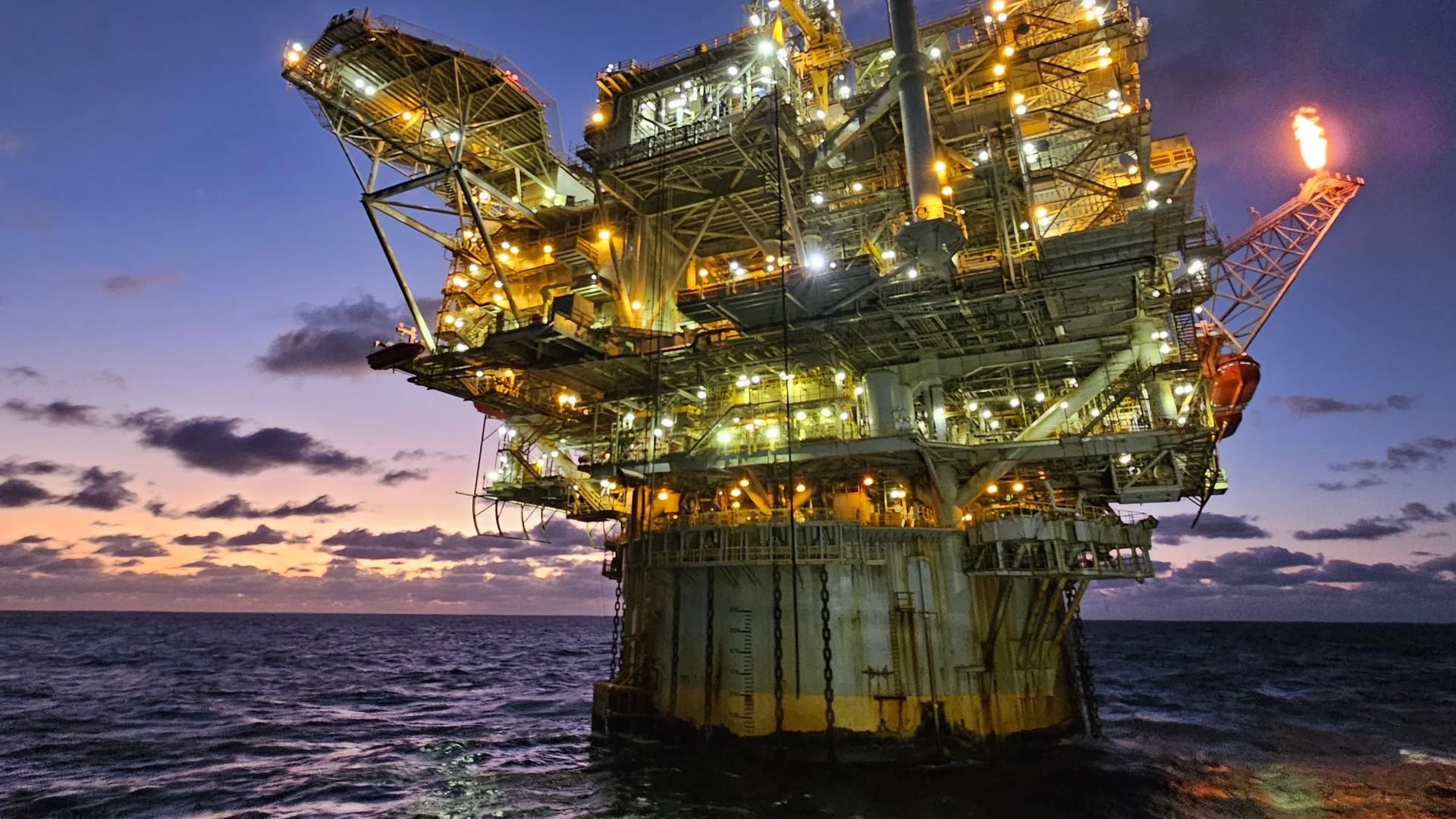
Oil, gas, electricity and minerals run through economics and strategy. They cannot explain every deployment on their own. They do make us ask who depends on what, what alternatives exist and what losing access would cost.
Think in systems04 / WHAT WORLD COMES NEXT?
Not a prophecy.
Three tensions to watch.
Interdependence and pressure
Can a trade network be both a connection and a vulnerability?
Technology and control
Who can audit decisions accelerated by increasingly complex systems?
Trust and legitimacy
What happens when spectacle displaces a verifiable explanation?
Nazim does not promise to predict the future. We want better questions so we can recognise change when evidence appears.
How we test a hypothesis