NAZIM / MODERN WAR FIELD NOTES
War no longer fits
on one front.
Land, sea and air still matter. So do networks, data, machines, industry and the minds of those receiving a story. Each technology creates options and new limits.
Explore the layers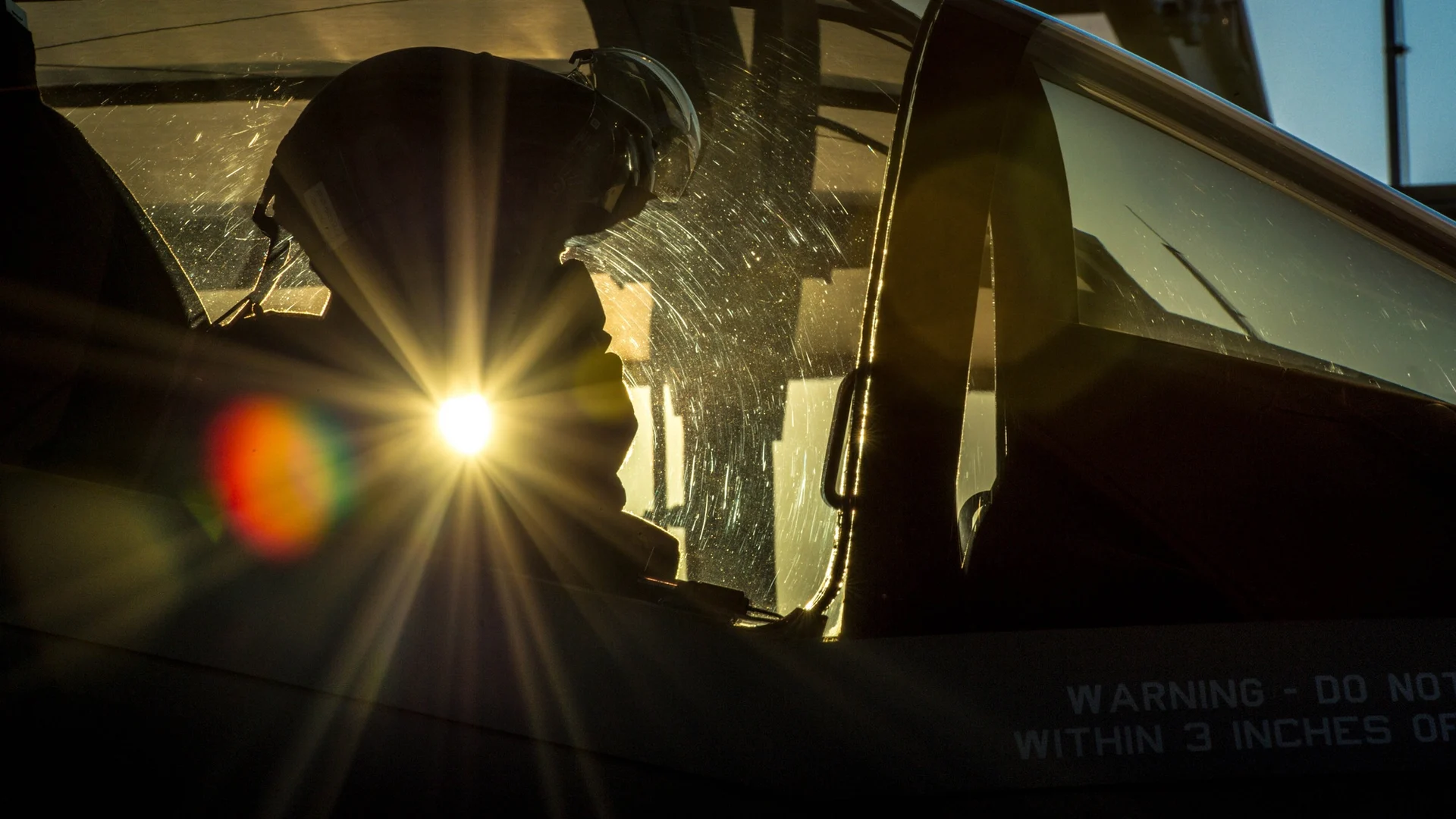
01 / SIX LAYERS
What is visible is
only one part.
These are lines of inquiry, not finished reports. A photograph documents the exercise it depicts; it does not prove a theory about the future of war.
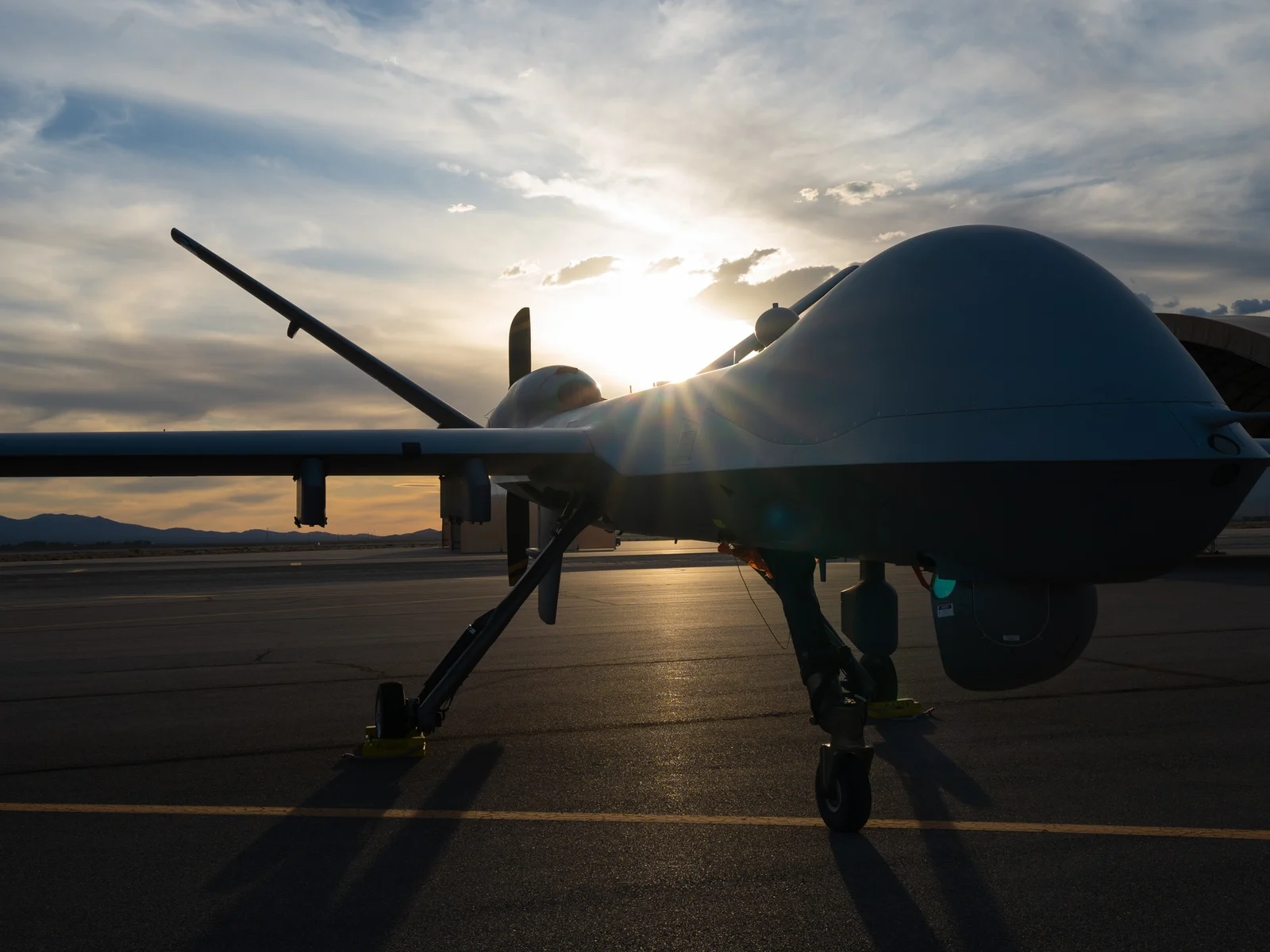
01 / Uncrewed systems
Drones: see, persist, act
What changes when observation and attack can happen at a distance? Who decides, who verifies, and who bears an error?
OPEN QUESTION · FUTURE INVESTIGATION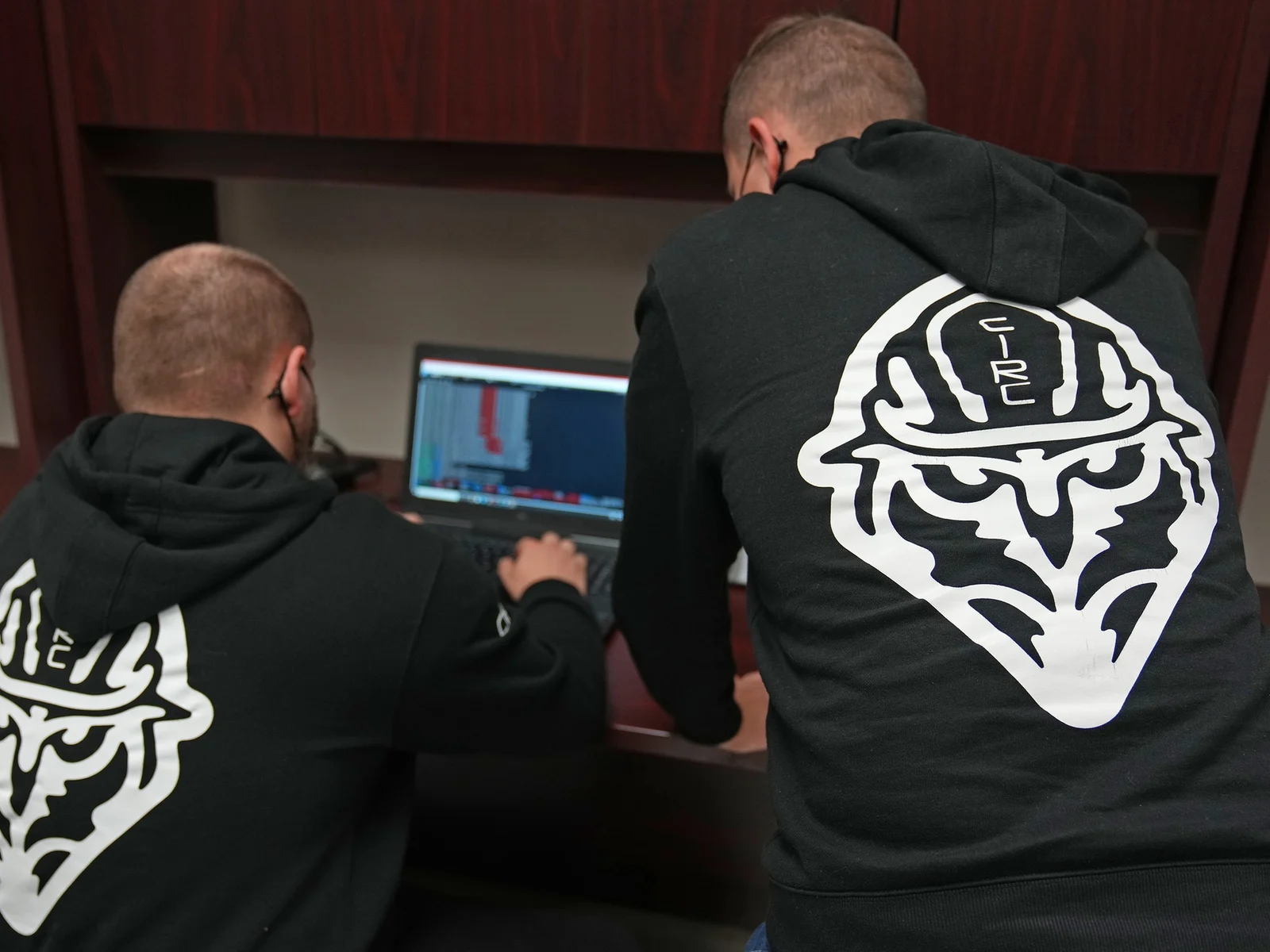
02 / Networks and infrastructure
Cybersecurity: a connected rear
If communications, energy and logistics depend on networks, how do we distinguish a vulnerability from a demonstrated attack?
OPEN QUESTION · FUTURE INVESTIGATION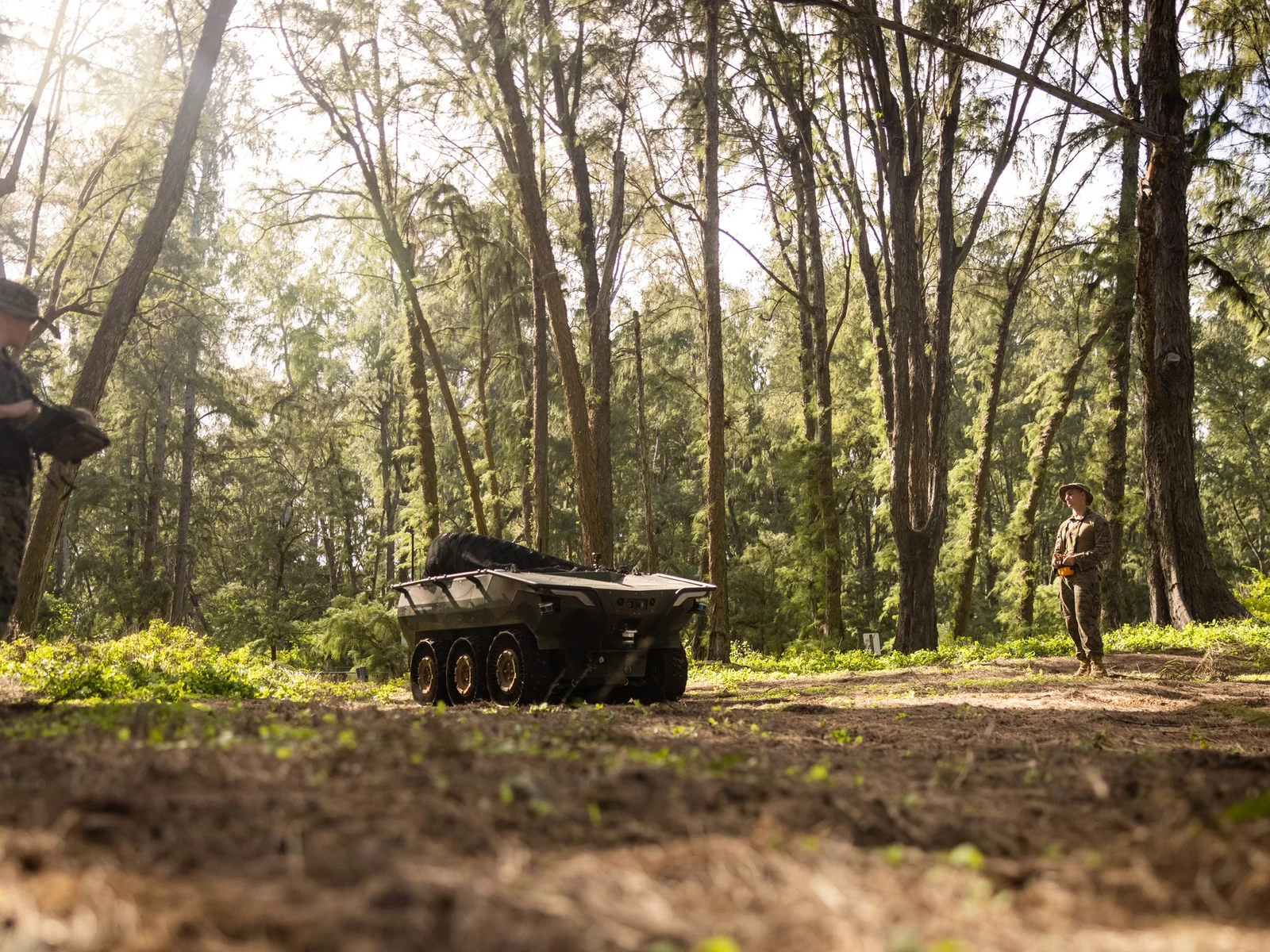
03 / Machines and people
Robotics: what do we delegate?
An uncrewed vehicle can widen options. Which tasks can it perform, where is human judgement needed, and who is accountable?
OPEN QUESTION · FUTURE INVESTIGATION02 / BEYOND THE HARDWARE
The tool changes.
Responsibility remains.
AI and decisions
What can a model accelerate, and what can it not know? We examine both its utility and the traceability of a decision made under pressure.
Sabotage and attribution
A disruption does not identify its author. We ask what was damaged, what alternatives exist and what evidence supports an attribution.
Psychological and information warfare
Fear, propaganda and narratives compete for attention. What can be documented, and what effect is being assumed without measurement?
DEMONSTRATION READINGS
Questions to begin with
Why can't leaders ever have complete control?
Command is not the elimination of uncertainty. It is the design of action that can survive it.
IntelligenceWhy doesn't more information always produce better decisions?
A clearer picture can improve decisions, but it can also create delay, dependence and false confidence.
TechnologyWhen does a cheap technology become a costly challenge?
Low unit cost changes the arithmetic of risk, but only when the wider system can find, coordinate and replace what it uses.