Why doesn't more information always produce better decisions?
The Problem With Perfect Information
A clearer picture can improve decisions, but it can also create delay, dependence and false confidence.
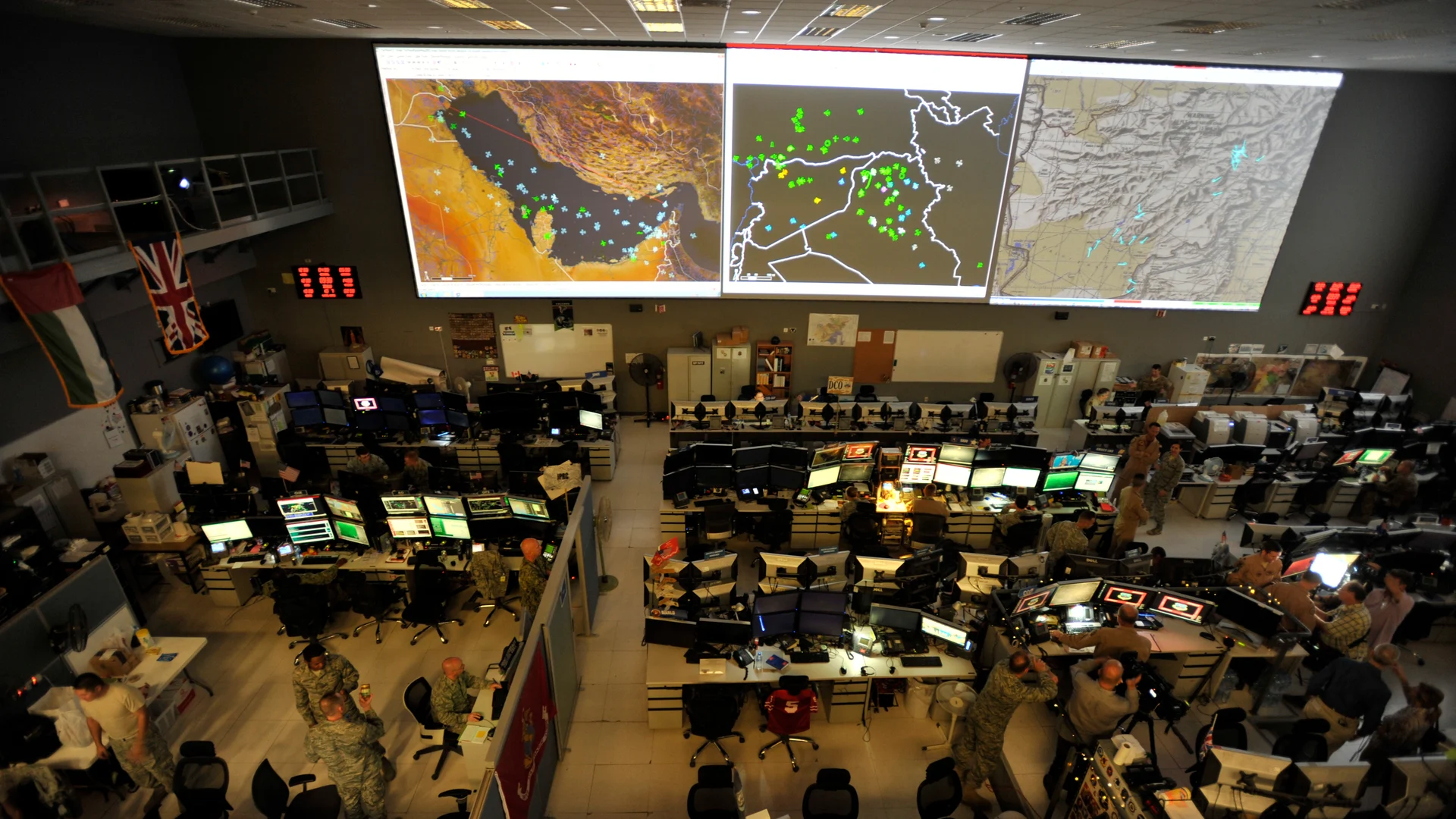

THE FRAME FOR THIS READING
Look at the pieces,
keep the question.
This is a conceptual demonstration analysis. Its perspectives are propositions to examine, not established facts.
The variables
- Signals and uncertainty
- Time needed to interpret
- The risk of false confidence
Two perspectives
- More data can reveal important changes.
- Waiting for a complete picture can delay necessary action.
What would you need to know before changing a decision?
Our institutions increasingly rely on data, yet still have to judge what the data means.
Seeing is not deciding
More information can reveal patterns, reduce surprise and expose weak assumptions. It can also encourage a dangerous habit: waiting for one more report before accepting the responsibility to decide.
The problem is not information itself. It is the belief that uncertainty can be eliminated if collection continues long enough. Every picture is delayed, filtered and incomplete. The task of command begins where the picture stops.
Advantage creates dependence
A force that learns to rely on persistent sensing and continuous connectivity may organise itself around their availability. That organisation can be highly effective while the system works. It may become brittle when bandwidth narrows, sensors are deceived or access becomes intermittent.
Resilience does not require rejecting sophisticated information. It requires defining how decisions change when confidence falls. Which actions pause? Which continue? Which indicators remain trustworthy?
Confidence needs a label
Useful analysis separates observation from interpretation and interpretation from prediction. It states how evidence was obtained and how strongly it supports a conclusion.
This language can feel less decisive than a single answer. In practice it makes decisions more robust because it shows which assumptions would force a reassessment. Uncertainty is not a blank space. It is part of the operating picture.
Sources
This conceptual demo article makes no sourced factual claims.
Last reviewed: . How we work
CONNECT THE IDEAS
One question leads to another.
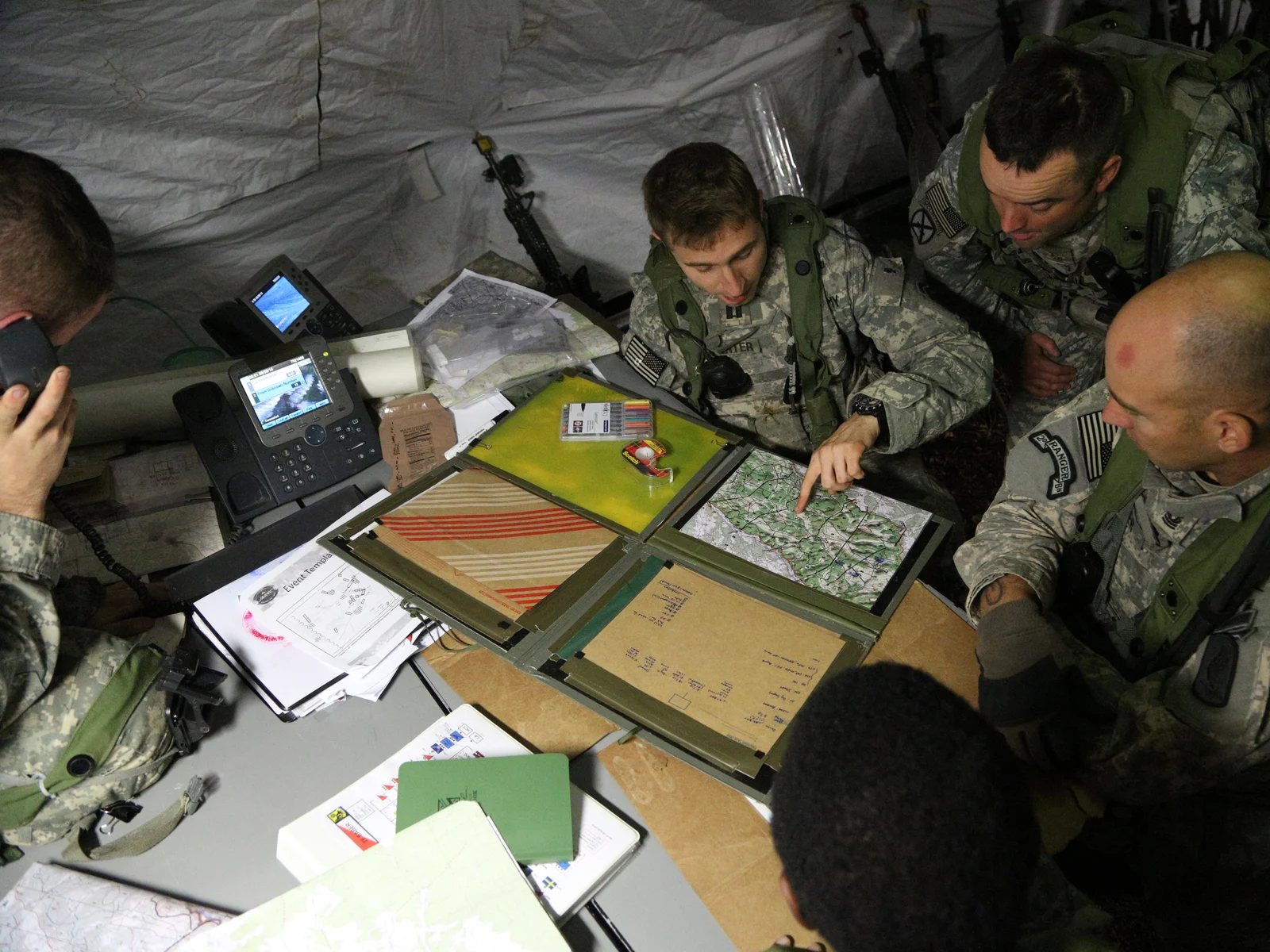
Why can't leaders ever have complete control?
Why Command Is Mostly About Limits
Command is not the elimination of uncertainty. It is the design of action that can survive it.