Why can't leaders ever have complete control?
Why Command Is Mostly About Limits
Command is not the elimination of uncertainty. It is the design of action that can survive it.

THE FRAME FOR THIS READING
Look at the pieces,
keep the question.
This is a conceptual demonstration analysis. Its perspectives are propositions to examine, not established facts.
The variables
- Incomplete information
- Delegation and trust
- Limits on time and attention
Two perspectives
- Central direction can create coherence.
- Local discretion can make a system more adaptable.
Where should authority sit when information is incomplete?
The way institutions share decisions affects how they respond under pressure.
Control is always partial
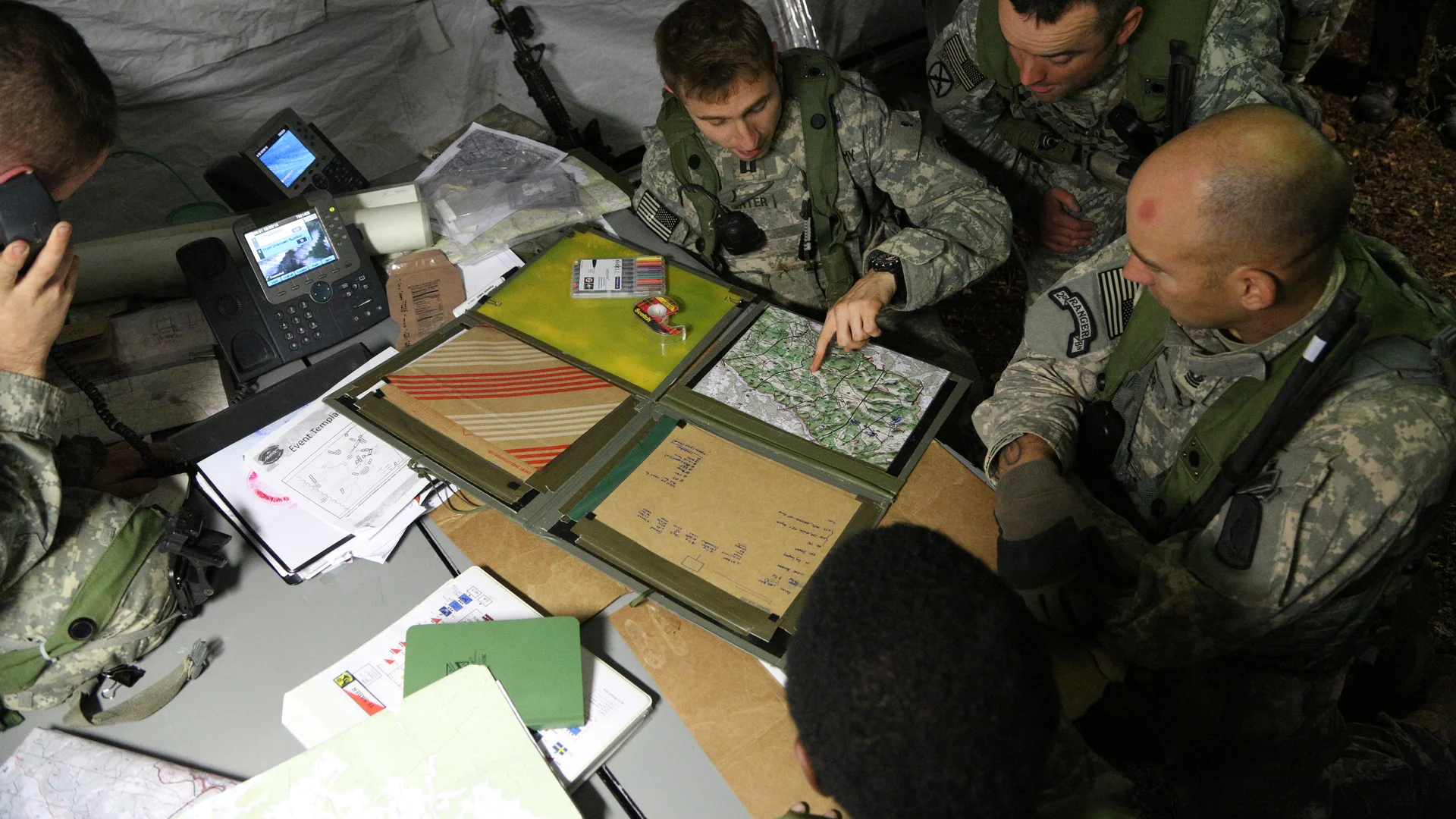
Command is often represented as a clean flow from decision to order to result. Real organisations are noisier. Reports arrive late, units interpret language differently and conditions change between planning and execution. A commander influences events but never possesses them.
The relevant skill is therefore not total control. It is building a system that can continue to act when control becomes incomplete. That system needs priorities, shared language, competent subordinates and a way to revise assumptions without waiting for perfect clarity.
Intent reduces coordination cost
A detailed order can answer many anticipated questions. It cannot answer the question that nobody predicted. Intent supplies a reference point for that moment. It explains the purpose of the action and the conditions that matter more than the original method.
Intent is not permission to improvise without discipline. It creates boundaries inside which initiative remains connected to the wider plan. The clearer the trade-offs, the easier it is for people at different levels to make compatible choices.
Limits should shape the plan
Good planning treats attention, communications and staff capacity as finite resources. It decides in advance which events require escalation, which can be handled locally and which risks can be accepted.
This makes command less theatrical and more structural. The commander’s contribution is not to touch every decision. It is to create the conditions in which the right decisions can be made after direct control has run out.
Sources
This conceptual demo article makes no sourced factual claims.
Last reviewed: . How we work
CONNECT THE IDEAS
One question leads to another.
Why doesn't more information always produce better decisions?
The Problem With Perfect Information
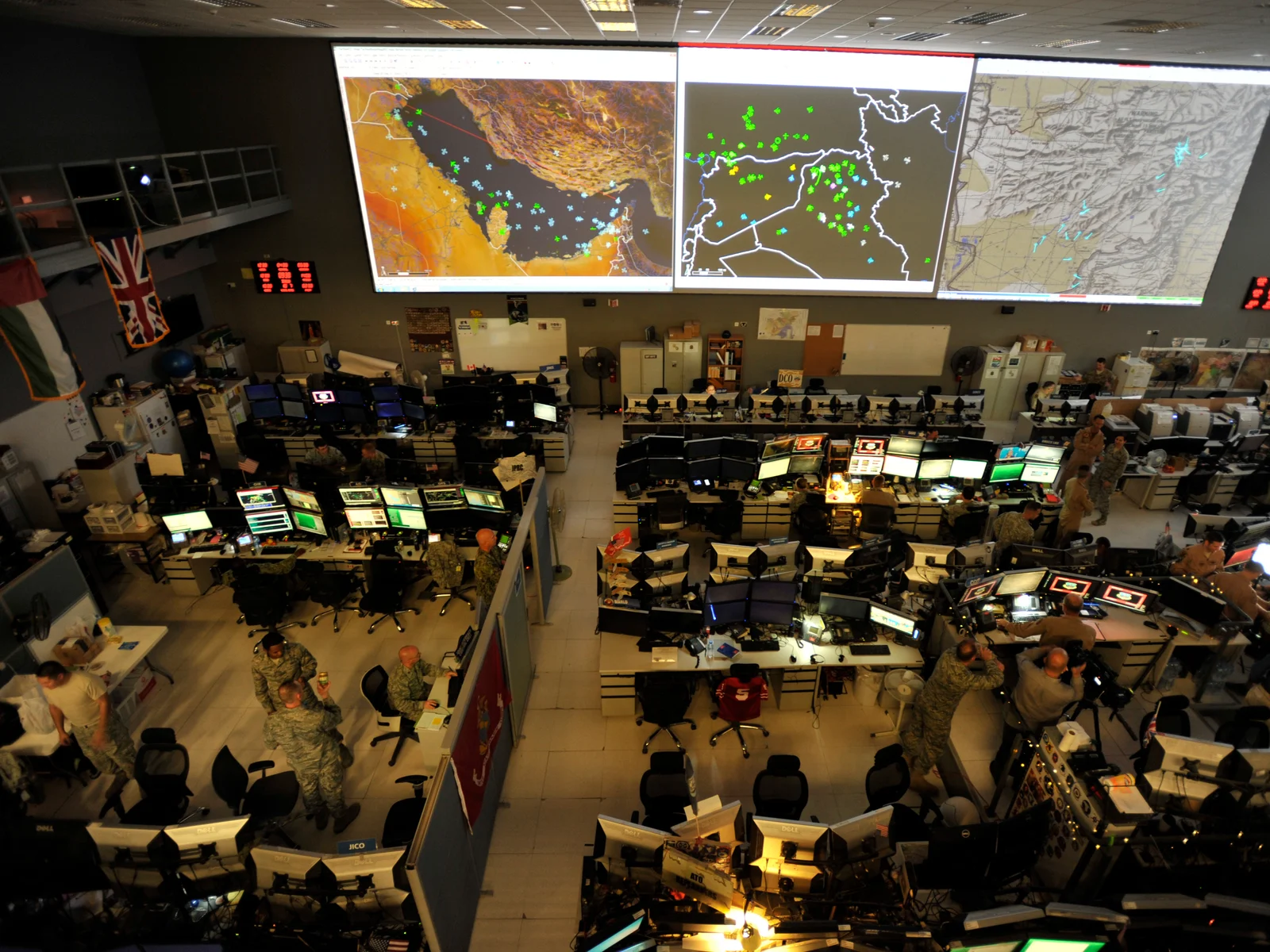
A clearer picture can improve decisions, but it can also create delay, dependence and false confidence.